
Why Brick Walls Crack in Minnesota and How to Prevent Long-Term Damage
Brick walls are a classic look for homes in Minnesota, but they can sure take a beating from our weather. You know, the freeze-thaw cycles and all that moisture can really do a number on them. Sometimes you see cracks, and it makes you wonder what’s going on and if it’s a big deal. This article is all about figuring out why those cracks happen and what you can do to keep your brick looking good and your house solid, especially when you need a good Minnesota Masonry Contractor.
Key Takeaways
Water is the main enemy of brick in Minnesota, working slowly to weaken structures over time. Understanding how it gets in and how to keep it out is key.
Cracks can start from how the house was built, weak mortar, or even tree roots pushing against the foundation. It's important to know the difference between small issues and big problems.
Keep an eye out for warning signs like cracks in foundation walls or a damaged chimney. Fall is a great time to get any needed Chimney repair service or other masonry work done before winter hits.
Different cracks mean different things. Stair-step cracks, horizontal ones, or even just crazing can tell you a lot about what's going on with your foundation and walls.
Regular maintenance, like tuckpointing, and addressing issues like water drainage promptly can save you a lot of money and headaches down the road, protecting your home's value.
Understanding Moisture's Impact on Minnesota Masonry
The Pervasive Threat of Water Infiltration
Water is probably the biggest enemy of brick and stone around here, and honestly, most people don't even realize how much damage it's doing. It's not like a big storm that you see coming; moisture works quietly, slowly breaking down your home's exterior, chimneys, and any decorative stonework. This silent damage can lead to serious structural issues and costly repairs down the road. It's the unseen enemy that requires constant vigilance.
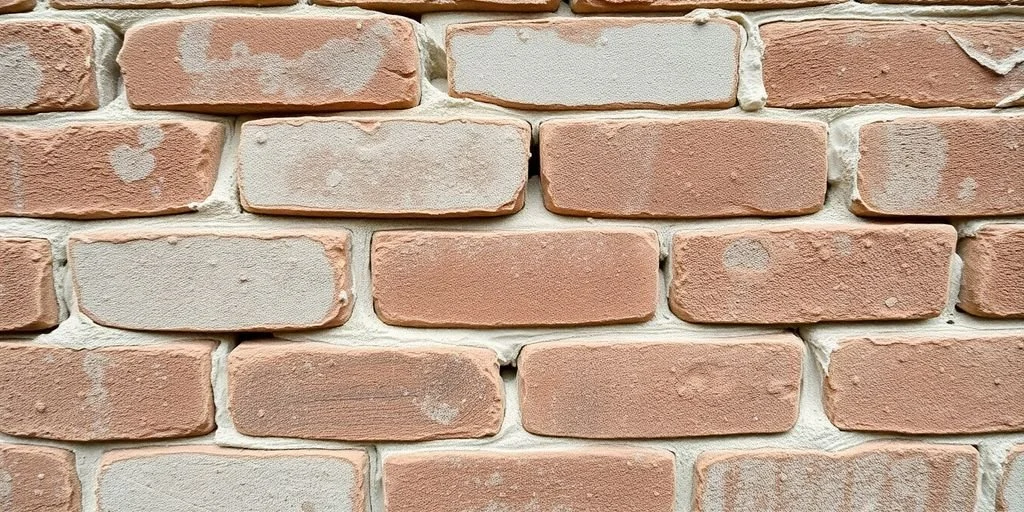
Water gets into masonry in a few main ways:
Direct Precipitation: Rain and snow are obvious culprits. Minnesota gets a good amount of precipitation, and without proper protection, water seeps into the pores of bricks and mortar.
Wind-Driven Rain: This is a bigger problem than you might think. Wind pushes rain horizontally, forcing it into vertical surfaces like walls and chimneys with more power than simple gravity.
Capillary Action: Moisture from the ground can be wicked upwards through the brick and mortar, even in areas that don't get direct rain. Things like poor grading or planters against your foundation can make this worse.
Condensation: Warm, moist air from inside your house can condense on cold masonry surfaces during our long winters, leading to damage from the inside out.
Why Brick's Porosity Becomes a Challenge
Brick itself is designed to be a bit porous. It's supposed to absorb some moisture when it's wet and then release it when it's dry. This worked okay with older building methods, but with modern construction and the extreme weather we get in Minnesota, it's not enough. Our freeze-thaw cycles are brutal. When water gets into the pores and then freezes, it expands. This expansion puts immense pressure on the brick and mortar, causing cracks and crumbling. We can get anywhere from 40 to 80 freeze-thaw cycles each winter, so this destructive process happens over and over. It's not just about water getting in; it's about what happens when that water freezes and thaws repeatedly. This cycle can literally tear masonry apart from the inside. Beyond freezing, water can also carry dissolved salts and chemicals, which can cause further deterioration through crystallization and even acid reactions, especially with older lime mortars. This is why understanding how water interacts with your specific masonry is so important for long-term protection. Protecting your home from moisture damage requires more than just hoping it dries out; it needs a proactive approach to waterproofing.
The Role of Professional Masonry Expertise
Figuring out exactly how moisture is affecting your specific home and then fixing it properly is where professional masonry expertise really comes into play. It's not just about patching up a visible crack. A good mason looks at the whole picture: where is the water coming from, how is it getting in, and how can we stop it or let it escape without causing damage? They understand the different types of mortar, how they react to our climate, and the best ways to repair and protect your masonry. They can tell if the moisture is coming from the outside, like rain, or from the inside, like condensation. This distinction is key because the solutions are very different. Professionals also know how to deal with the freeze-thaw cycle, which is a major problem here. They can assess the condition of your chimney, walls, and foundation, identifying potential weak spots before they become major issues. This kind of detailed assessment and tailored repair plan is what separates a simple repair job from true, long-term masonry protection. Without this specialized knowledge, you might end up with repairs that don't last or even create new problems. It's about getting it right the first time to avoid bigger headaches later.
Moisture infiltration is a silent but relentless force that can compromise the structural integrity of your brickwork over time. Understanding the pathways water takes into your masonry and the damaging effects of Minnesota's climate, particularly freeze-thaw cycles, is the first step toward preventing costly repairs and ensuring the longevity of your home's exterior.
Identifying the Root Causes of Brick Cracks
So, you've noticed some cracks in your brick walls. It's easy to panic, but before you do, let's figure out what's actually going on. Not all cracks are created equal, and understanding their origin is the first step to fixing them right.
Consequences of Poor Construction and Inadequate Mortar
Sometimes, the problems start right from the beginning. If the house wasn't built with care, or if the mortar used wasn't mixed or applied properly, it can lead to issues down the road. Mortar is basically the glue holding everything together. If it's too watery, or doesn't have the right stuff in it, it weakens over time. This means it can't support the bricks like it should, and that's when cracks start to show up. It's not just about the mortar, though. How the bricks themselves are laid matters a lot. If they aren't lined up right, spaced evenly, or bonded well, those weak spots can turn into cracks, especially when the house deals with settling, moisture, or temperature swings.
How Tree Roots and Seismic Activity Affect Brickwork
External forces can also put a real strain on your brick walls. Think about trees planted too close to your house. As their roots grow, they can push under the foundation, creating pressure that can crack your brickwork. This is especially true for big, old trees. Then there's seismic activity. Brick is pretty rigid, so it doesn't handle shaking well. Even small tremors can stress the material enough to cause cracks, particularly if the building wasn't designed to handle that kind of movement.
Diagnosing the Severity of Brick Wall Fractures
Okay, so you've got cracks. How bad are they? It's not always obvious. Here are a few things to look at:
Width: A crack that's less than an eighth of an inch wide is usually not a huge deal. But if it's wider than a quarter of an inch, you might have a bigger problem.
Pattern: Where the crack is and how it looks tells a story. Stair-step cracks often follow the mortar lines and can point to settling. Horizontal cracks are generally more serious and might mean pressure on the wall.
Progression: Is the crack staying the same, or is it getting bigger? If it's growing, or if new cracks are appearing, it's definitely time to get a professional opinion.
It's important to remember that even minor cracks can let in moisture, which can lead to bigger problems like freeze-thaw damage over time, especially here in Minnesota. Addressing issues early, even small ones, can save you a lot of headaches and money later on.
If you're seeing wide cracks, cracks that seem to be getting worse, or if you suspect foundation issues or water damage, it's best to call in someone who knows masonry. They can properly assess the situation and tell you what needs to be done to keep your home safe and sound.
Recognizing Masonry Red Flags in Minnesota's Climate
Minnesota's weather can be tough on brick and stone. We get everything from heavy snow and ice to driving rain, and that freeze-thaw cycle we're famous for really does a number on masonry over time. It's not just about looks; ignoring certain signs can lead to bigger, more expensive problems down the road. Knowing what to watch out for is your first line of defense.
Warning Signs of Foundation Movement and Water Damage
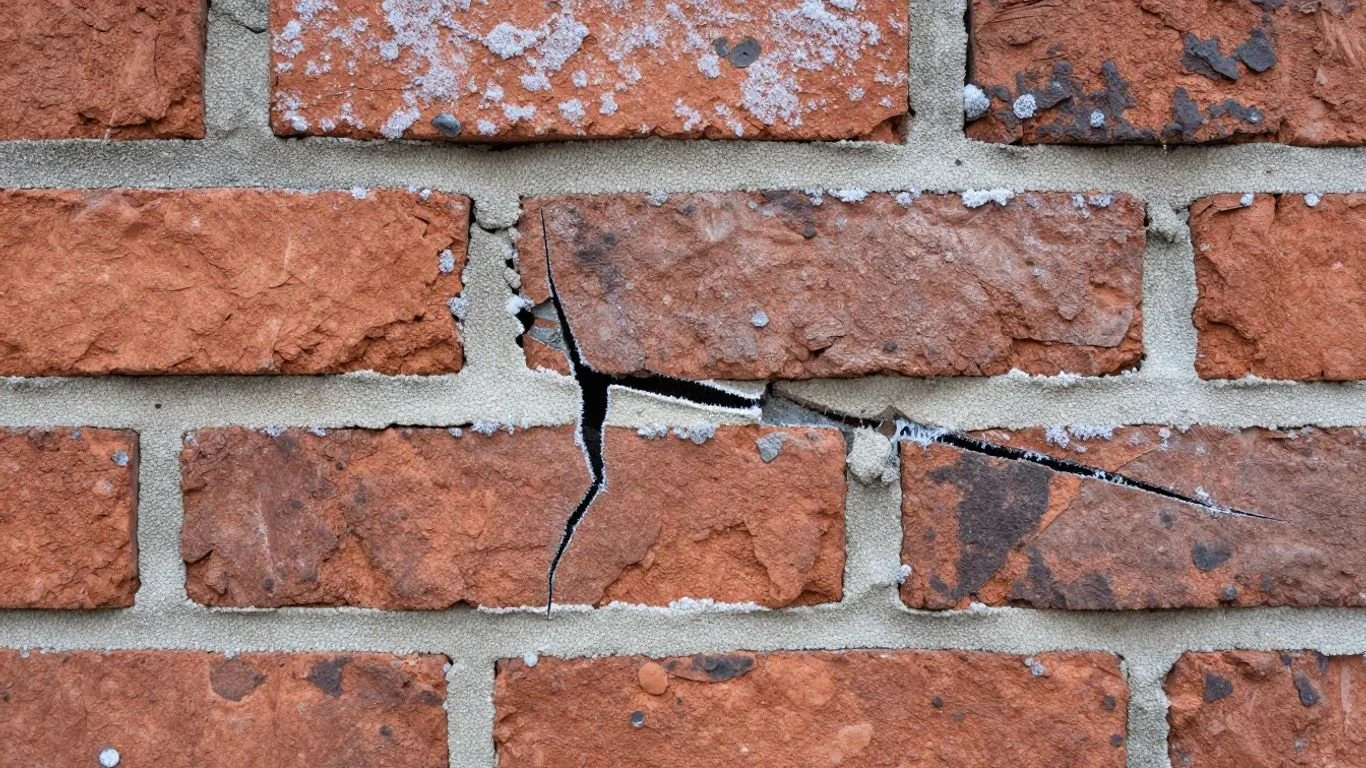
Water is a sneaky enemy. It can seep into tiny cracks, freeze, expand, and make those cracks bigger. You might see this as efflorescence, which looks like a white, powdery stain on the brick. It's basically mineral salts left behind as water evaporates. Another sign is spalling, where the surface of the brick starts to flake or peel off. This often happens when water gets into the brick, freezes, and breaks off pieces of the surface.
Foundation issues often show up as cracks in the brickwork. These aren't always dramatic, but they're important. Look for cracks that seem to be getting wider, especially if they run horizontally or in a stair-step pattern through the mortar joints. If you notice any of these, it's a good idea to get a professional masonry assessment [a635].
The Importance of Chimney Repair and Restoration
Your chimney works hard, but it's also exposed to the elements. In Minnesota, this means dealing with rain, snow, and those wild temperature swings. A damaged chimney isn't just unsightly; it can be a real safety hazard. You might see cracked bricks or crumbling mortar around the top, or even damage to the chimney crown, which is the concrete cap that protects the top of the chimney.
Loose bricks, missing mortar, or signs of water pooling around the base are all red flags. If you're seeing smoke or soot inside where it shouldn't be, or if you notice water stains on the ceiling near the fireplace, it's definitely time to get it checked out. Chimney repair is one of those things you don't want to put off.
Essential Maintenance for Long-Lasting Brickwork
Keeping your brickwork in good shape isn't rocket science, but it does require a bit of attention. Regular checks can catch small issues before they become major headaches. Think of it like routine check-ups for your house.
Here’s a quick rundown of what to look for:
Mortar Joints: Are they crumbling, cracked, or missing in places? This is where water can get in.
Surface Damage: Look for spalling, chipping, or any signs of the brick surface breaking down.
Drainage: Make sure water is directed away from your foundation and brick walls. Clogged gutters or poor grading can cause big problems.
Vegetation: Keep trees and shrubs trimmed back from your brick walls. Roots can cause damage, and plants hold moisture against the brick.
Addressing minor issues like repointing loose mortar or clearing out debris from around your foundation can save you a fortune in the long run. It's about being proactive rather than reactive when it comes to protecting your home's exterior.
Addressing Foundation Integrity in Harsh Climates
Minnesota's Unique Foundation Challenges
Minnesota's weather really puts foundations through the wringer. We're talking about those extreme temperature swings, from super cold winters to warmer summers. This constant cycle of freezing and thawing causes the soil around your house to expand and contract. Think of it like a giant, slow-motion squeeze and release happening right under your home. Over time, this can put a lot of stress on your foundation walls, leading to cracks and other problems. Soils with a lot of clay are especially tricky because they hold onto water, which then freezes and expands, pushing against the foundation.
Interpreting Cracks in Foundation Walls
Seeing cracks in your foundation isn't always a sign of doom, but you definitely need to know what you're looking at. Hairline cracks, especially vertical ones, might just be from the concrete settling a bit as it cures or from minor temperature changes. They're usually not a big deal. However, you need to pay closer attention to other types:
Horizontal cracks: These are more concerning. They often mean that the soil pressure outside your foundation wall is pushing inward pretty hard. This can happen if the soil gets saturated and freezes.
Stair-step cracks: You'll usually see these in block or brick foundations, following the mortar lines. They can indicate that one side of your foundation is settling more than the other, or that frost heave is at play.
Cracks wider than a quarter-inch: If you see a crack this wide, or if any crack seems to be getting bigger over time, it's time to call in a professional.
It's easy to get worried when you see cracks, but understanding what they might mean can help you decide if it's a minor issue or something that needs immediate attention from a pro. Don't just guess; try to figure out the pattern and size.
The Necessity of Professional Foundation Assessment
While you can spot the signs, figuring out the exact cause and the best fix is where the pros come in. They have the tools and the know-how to properly diagnose foundation issues. They can tell if the problem is just minor settling, or if it's something more serious like hydrostatic pressure from water, soil expansion, or even structural movement.
Accurate Diagnosis: Professionals can differentiate between cosmetic cracks and those that threaten your home's structural integrity.
Tailored Solutions: They'll recommend specific repairs like epoxy injections for sealing, carbon fiber straps for reinforcement, or even pier systems to stabilize the foundation.
Preventing Future Damage: A good assessment not only fixes the current problem but also helps prevent it from happening again, saving you money and headaches down the road.
Ignoring foundation problems, especially in a climate like Minnesota's, is a recipe for disaster. What starts as a small crack can turn into a major structural issue if left unaddressed. Getting a professional opinion is a smart move to protect your home's value and safety.
Preparing Your Masonry for Minnesota Winters
Why Fall is the Ideal Season for Masonry Repairs
When it comes to getting your brickwork ready for the harsh Minnesota winter, fall is really your best bet. The temperatures are cooler, but not yet freezing, which is perfect for mortar and sealants to set properly. It’s like the sweet spot for masonry work. Getting these repairs done before the snow flies means your home is protected, and you can avoid bigger headaches when the real cold hits. It’s way better than trying to patch things up in the middle of January, right?
A Pre-Winter Checklist for Brickwork Inspection
Before the first snowflake falls, it's a good idea to do a walk-around of your house. Look closely at:
Cracks: Check for any cracks in the bricks, stone, and especially the mortar. Pay extra attention to areas around your foundation, windows, and doors. These are common spots for trouble.
Chimney: Inspect the chimney crown, cap, and flashing. Is anything looking worn out, cracked, or leaning? A damaged chimney can be a serious safety issue.
Water Drainage: Make sure your gutters are clear and that the soil around your foundation slopes away from the house. Water pooling near the foundation is a recipe for disaster in freezing temperatures.
Minnesota's freeze-thaw cycle is brutal on masonry. When water gets into small cracks, it freezes and expands, making those cracks bigger. Then, when it thaws, more water gets in. This cycle repeats, slowly but surely damaging your brickwork. Addressing issues before winter is key to preventing this kind of damage.
Repointing Joints and Replacing Damaged Bricks
If you find crumbling mortar, that's called repointing. It involves removing the old, weak mortar and replacing it with a fresh mix. This not only makes your walls look better but also stops water from getting into those gaps. You'll also want to swap out any bricks that are spalling (flaking) or badly cracked. Replacing these damaged bricks helps keep your wall solid and watertight. It’s a bit of work, but it makes a big difference in protecting your home. Getting this done now means you won't have to worry about water intrusion during the winter months.
Types and Implications of Brick Wall Cracks
Brick walls, while tough, aren't immune to damage. Over time, you might notice cracks appearing, and it's good to know what they mean. Not all cracks are a big deal, but some definitely signal trouble. Understanding the different kinds can help you figure out if it's a quick fix or something that needs a pro.
Differentiating Between Minor and Serious Cracks
When you spot a crack, the first thing to check is its size. A hairline crack, less than an eighth of an inch wide, is often just cosmetic. It might be from the house settling a bit over the years, which is pretty normal. However, if a crack is wider than a quarter of an inch, or if you see multiple cracks appearing, that's a bigger concern. The width and depth of a crack are key indicators of its severity. Also, pay attention to whether the crack is growing. If it stays the same, it's likely minor. If it's getting wider or longer, it's a sign that something more serious is going on underneath.
Understanding Vertical, Horizontal, and Diagonal Fractures
Cracks can show up in different directions, and each pattern can tell a story.
Vertical cracks often run straight up and down. Sometimes these are just minor settlement cracks, but if they're wide or deep, they could point to foundation issues.
Horizontal cracks are usually more worrying. They can mean that the wall is being pushed outward, perhaps due to soil pressure or a problem with the wall's structure.
Diagonal cracks often appear around openings like windows and doors. These can happen when one part of the foundation settles more than another, putting uneven stress on the brickwork.
The Significance of Stair-Step Cracks and Crazing
Two other common types of cracks you might see are stair-step cracks and crazing.
Stair-step cracks look just like they sound – they follow the pattern of the mortar joints, creating a staircase effect. These are frequently linked to foundation settlement or issues with the soil expanding and contracting. They can be a sign that the foundation isn't as stable as it should be.
Crazing refers to a network of very fine, shallow cracks that spread across the surface of the brick or mortar. Think of it like a spiderweb. Crazing is usually just a surface issue and might be due to how the bricks were made or cured. It's mostly a cosmetic problem, but it's worth keeping an eye on.
When in doubt about the type or severity of a crack, it's always best to get a professional opinion. They can assess the situation accurately and recommend the right steps to prevent further damage.
The Crucial Role of Tuckpointing and Restoration
What Tuckpointing Entails for Masonry Structures
Tuckpointing is basically a fancy way of saying we're cleaning out the old, crumbly mortar between your bricks and filling it back in with fresh stuff. Think of it like giving your brick walls a much-needed facelift. Over time, especially with Minnesota's wild weather swings, the mortar can start to break down. It might get powdery, crack, or even just fall out. When that happens, water can sneak in, and that's when real problems start. A good tuckpointing job involves carefully removing that damaged mortar, making sure not to hurt the bricks themselves, and then packing in new mortar that matches the old colour and strength. It's detailed work, and it makes a big difference in how your building looks and how solid it is.
Why Tuckpointing is Essential in Minnesota's Weather
Minnesota's climate is tough on buildings. We get those really hot summers and then bone-chilling winters. This constant cycle of freezing and thawing is brutal on mortar joints. Water gets into tiny cracks, freezes, expands, and then thaws, making the cracks bigger. Repeat that for years, and you've got serious issues. This isn't just about looks; it's about preventing water from getting inside your home or business, which can lead to mould, damaged insulation, and even structural problems. Getting tuckpointing done, especially after a few rough winters, is a smart move to keep your masonry in good shape. It's a key part of masonry repair and protection for homes and businesses here.
Preventing Water Infiltration and Structural Instability
Ignoring deteriorating mortar is like ignoring a small leak in your roof – it only gets worse and more expensive. When mortar joints fail, they create openings for water to seep into your walls. This moisture can then travel inside, damaging drywall, insulation, and even wooden framing. Beyond water damage, loose or crumbling mortar means the bricks aren't held together as tightly. This can lead to bricks shifting or even falling out, which is a serious structural concern. Tuckpointing seals up these weak spots, acting as a barrier against water and reinforcing the entire wall. It's a proactive step that saves you from much bigger headaches and repair bills down the road. It really helps keep your building sound and dry.
Proactive Masonry Protection and Repair Strategies
Comprehensive Masonry Assessments for Long-Term Protection
When it comes to keeping your brickwork in good shape here in Minnesota, just fixing things as they break isn't the best plan. It's way smarter to get ahead of potential problems. That means having a good look at your whole masonry setup, not just the spots that are already showing issues. A professional assessment checks out everything – the walls, the foundation, the chimney, and even how water drains around your house. They're looking for tiny cracks, signs of moisture getting in places it shouldn't, and anything that looks like it might turn into a bigger headache later on. This kind of upfront inspection is key to preventing costly damage down the road.
The Cost-Effectiveness of Prompt Repairs
It might seem like a lot to spend money on repairs when things still look okay, but trust me, it saves you cash in the long run. Small problems, like a few loose mortar joints or a minor leak, can turn into major structural issues if you ignore them. Think about it: water gets in, freezes, expands, and then thaws. Repeat that cycle a few times, and you've got a much bigger mess on your hands. Fixing a small crack now is way cheaper than dealing with a wall that's starting to bow out or crumble later. It’s like going to the dentist for a check-up; catching a cavity early is a lot easier and less expensive than needing a root canal.
Preventive Waterproofing and Drainage Improvements
Once your masonry is in good shape, or after repairs are done, adding some protection makes a big difference. This usually involves applying a waterproofing treatment that lets your brick breathe but keeps liquid water out. It's not just about slapping on some sealer; professionals know which products work best for Minnesota's weather and how to apply them so they actually last. Improving drainage is also a huge part of this. Making sure water flows away from your foundation, not towards it, stops a lot of potential problems before they even start. This could mean regrading your yard slightly or making sure your gutters and downspouts are directing water far from the house. It’s all about creating a system that keeps moisture away from your brick and mortar.
Wrapping It Up: Keeping Your Minnesota Brick Looking Good
So, we've talked a lot about why brick walls in Minnesota can get a bit beat up. It's mostly about water and those crazy freeze-thaw cycles we get. Things like bad mortar, tree roots pushing around, or even just how the house was built can all play a part. The good news is, you don't have to just watch your walls fall apart. Keeping an eye out for cracks, especially around windows, doors, and chimneys, is key. And when you see something that looks off, it's usually best to call in someone who really knows their stuff. They can fix the small problems before they turn into big, expensive headaches. Taking care of your brickwork now means your home stays looking great and stays strong for years to come, no matter what Minnesota throws at it.
Frequently Asked Questions
-
Brick walls in Minnesota often crack because of the weather. The water gets into tiny cracks in the bricks or the stuff holding them together (mortar). When it gets cold, this water freezes and expands, pushing the bricks apart. This happens over and over again with the freezing and thawing throughout the year, making the cracks bigger and bigger. Also, if the house settles unevenly or if there are construction problems, the walls can crack.
-
Water is the biggest problem for brick walls in Minnesota. It sneaks into small gaps and can freeze, causing damage. Over time, this constant moisture and freezing can weaken the bricks and mortar, leading to cracks and other issues. It's like a slow, silent attack that weakens the wall over time.
-
Look at the crack. Is it wide, or is it just a thin line? Horizontal cracks or cracks that look like stairs are usually more serious than small, vertical ones. Also, if you see cracks near the foundation, around windows and doors, or if they are getting bigger, it's a sign you should get a professional to check it out.
-
Tuckpointing is like giving your brick wall a dental cleaning. It means removing old, crumbling mortar between the bricks and filling those gaps with new, strong mortar. This is super important in Minnesota because it stops water from getting in and makes the wall strong again. It helps your brickwork last much longer.
-
Fall is usually the best time to fix brick walls in Minnesota. The weather is cooler, which is perfect for the new mortar to dry and harden properly before the really cold winter weather hits. Fixing things in the fall also helps protect your home from winter damage.
-
To keep your brick walls strong, make sure water can drain away from your house properly. Keep an eye out for any small cracks and fix them quickly before they get worse. Regular check-ups by a masonry expert can catch problems early. Also, making sure your chimney is in good shape and any pointing is up-to-date helps a lot.
