
The Hidden Warning Signs of Masonry Damage Most Homeowners Miss
Masonry structures are known for their durability, timeless appearance, and ability to withstand harsh weather conditions. Whether your home features a brick chimney, stone façade, retaining wall, or outdoor masonry elements, these structures can last for decades when properly maintained. However, masonry damage often develops gradually, making it easy for homeowners to overlook the early warning signs until costly repairs become unavoidable.
Many property owners trust experienced professionals like Murphy Masonry to assess and repair masonry issues before they become major structural concerns. The challenge is that some of the most serious problems begin with subtle symptoms that seem harmless at first glance. Learning how to recognize these hidden warning signs can help you protect your home, preserve its value, and avoid expensive restoration projects.
Why Early Detection of Masonry Damage Matters
Masonry materials such as brick, stone, mortar, and concrete are designed to be strong, but they are not immune to wear and tear. Exposure to moisture, freeze-thaw cycles, shifting foundations, and age-related deterioration can gradually weaken masonry structures.
When small issues are ignored, water infiltration and structural movement can accelerate the damage. What starts as a minor crack may eventually lead to loose bricks, leaning walls, or extensive chimney repairs. Identifying problems early can significantly reduce repair costs and prevent larger structural failures.
Hairline Cracks That Continue to Grow
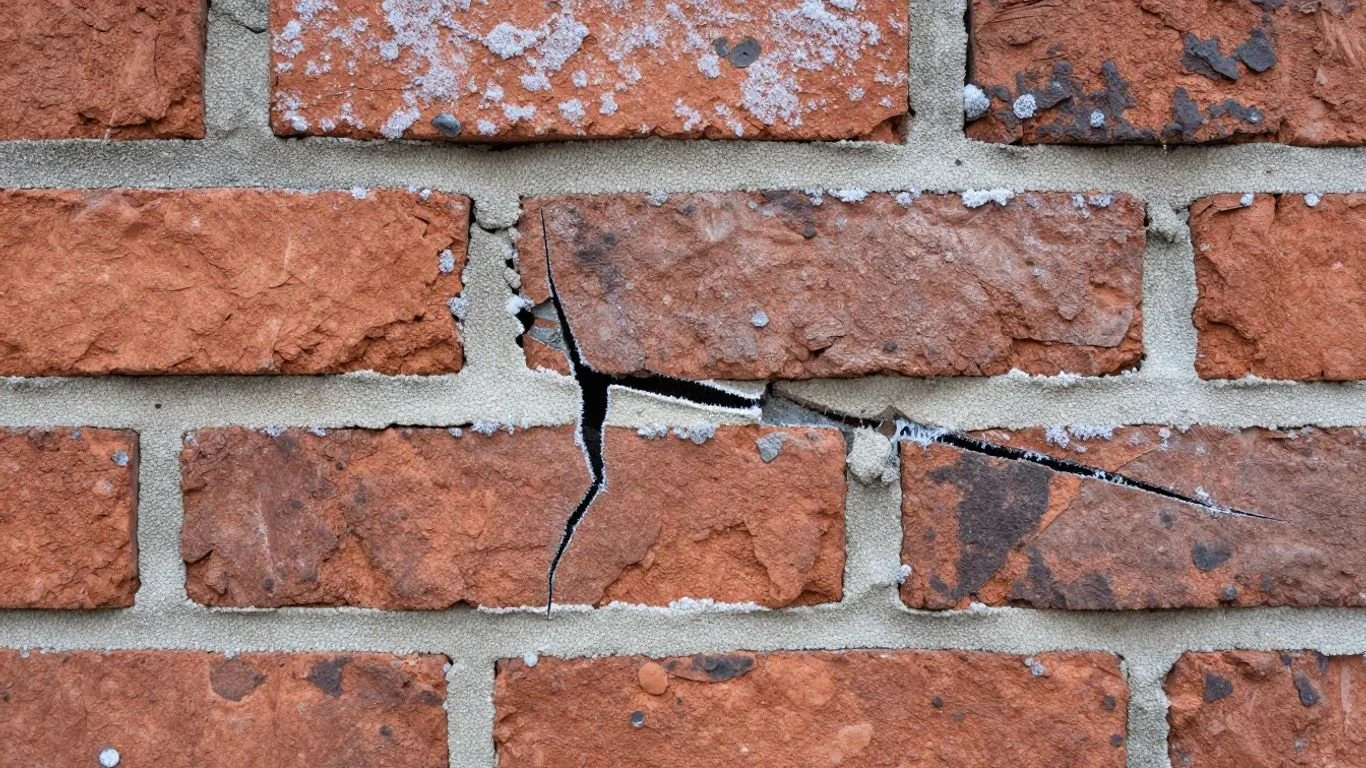
One of the most commonly overlooked signs of masonry damage is the appearance of small cracks. Homeowners often assume these cracks are purely cosmetic, especially when they are thin and difficult to notice.
However, cracks that gradually widen or spread across bricks, mortar joints, or stone surfaces may indicate foundation movement or structural stress. Pay particular attention to stair-step cracks in brick walls, as they often signal shifting or settling that requires professional evaluation.
Regularly inspecting exterior walls can help you detect changes before they become severe.
Deteriorating Mortar Joints
Mortar acts as the glue that holds masonry units together. Over time, weather exposure can cause mortar joints to weaken, crumble, or wash away.
Signs of mortar deterioration include:
Gaps between bricks or stones
Crumbling or sandy mortar
Visible holes in joints
Increased moisture penetration
When mortar begins to fail, the entire masonry structure becomes more vulnerable to water damage and movement. Repointing damaged mortar joints early can extend the lifespan of your masonry and prevent more extensive repairs.
White Stains on Brick or Stone Surfaces
Have you noticed a chalky white substance appearing on your brick or stone walls? This condition is known as efflorescence.
Efflorescence occurs when water moves through masonry materials and leaves mineral deposits behind as it evaporates. While the white residue itself is not usually harmful, it serves as an important warning sign that excess moisture is present within the structure.
Ignoring persistent efflorescence can allow hidden water issues to worsen, potentially leading to mortar deterioration, cracking, and freeze-thaw damage.
Bulging or Bowing Walls
A wall should appear straight and stable. If sections of brick or stone begin to bulge outward or lean, it may indicate serious structural concerns.
Bulging walls often result from:
Water damage behind the masonry
Foundation movement
Corrosion of embedded metal supports
Excessive structural pressure
Because bowing walls can pose safety risks, homeowners should seek professional inspection as soon as they notice unusual movement.
Damaged Masonry Around Outdoor Living Areas
Outdoor masonry features often experience significant exposure to weather, temperature fluctuations, and moisture. Areas surrounding walkways, retaining walls, fire pits, and Outdoor Patios and Spaces in Minnesota should be inspected regularly for signs of cracking, shifting, or loose materials.
These issues can create safety hazards while also indicating underlying drainage or structural problems. Early maintenance can prevent deterioration from spreading to surrounding masonry elements and landscaping features.
Chimney Warning Signs Many Homeowners Ignore
The chimney is one of the most exposed masonry structures on a property, making it particularly vulnerable to damage.
Watch for these warning signs:
Cracked Chimney Crown
The chimney crown helps prevent water from entering the masonry system. Cracks in the crown can allow moisture infiltration and accelerate deterioration.
Loose or Missing Bricks
Missing bricks often indicate advanced mortar failure or moisture-related damage that requires prompt attention.
Interior Water Stains
Water stains near fireplaces or on ceilings around the chimney can signal hidden masonry issues that may worsen over time.
Routine chimney inspections can help identify these concerns before significant repairs become necessary.
Spalling Bricks and Flaking Stone
Spalling occurs when the surface of masonry materials begins to peel, chip, or break away. This damage is commonly caused by moisture entering the material and expanding during freezing temperatures.
Signs of spalling include:
Flaking brick surfaces
Chipped stone edges
Pieces of masonry falling away
Rough, uneven textures
Once spalling begins, the affected materials often continue to deteriorate unless the underlying moisture problem is addressed.
Doors and Windows That Suddenly Stick
Many homeowners don't realize that sticking doors and windows can sometimes point to masonry or foundation issues. When masonry walls shift due to settling or structural movement, openings in the home may become misaligned.
If sticking doors and windows appear alongside cracks in brickwork or mortar joints, a professional assessment may be necessary to determine whether structural movement is affecting the property.
When Professional Masonry Inspections Make Sense
Even if masonry damage appears minor, professional inspections can uncover hidden issues that are not visible from the surface. Specialists can identify moisture intrusion, structural instability, deteriorating mortar, and other concerns before they require major restoration work.
This is especially important for homes featuring decorative stonework, chimneys, retaining walls, or Full and Thin Stone Veneers in Minnesota, where small defects can gradually compromise both appearance and structural performance if left untreated.
Conclusion
Masonry damage rarely appears overnight. Most serious problems begin with subtle warning signs that homeowners often overlook, such as small cracks, deteriorating mortar, efflorescence, or minor structural movement. By paying attention to these early indicators and scheduling timely inspections, you can protect your home's structural integrity and avoid costly repairs in the future.
Regular maintenance and prompt action remain the most effective ways to preserve the beauty, strength, and long-term value of your masonry investment. Identifying hidden warning signs today can save significant time, money, and stress tomorrow.
