
Should You Repair or Replace a Damaged Chimney? A Cost Comparison Guide
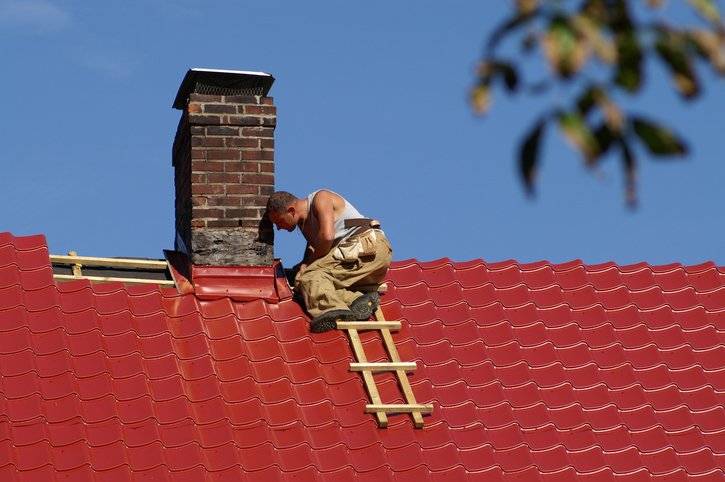
A chimney is one of the most important structural features of a home, yet it is often overlooked until visible damage appears. Cracked bricks, deteriorating mortar joints, leaning structures, or water leaks can quickly turn a minor issue into a costly problem. Homeowners frequently face a difficult decision when chimney damage occurs: should they invest in repairs or replace the chimney entirely?
At Murphy Masonry, homeowners often seek guidance on determining the most cost-effective solution for their chimney issues. The right choice depends on several factors, including the extent of the damage, the age of the chimney, safety concerns, and long-term maintenance costs.
In this guide, we’ll compare chimney repair and chimney replacement costs, discuss the signs that indicate which option is best, and help you make an informed decision that protects both your home and your budget.
Common Signs of Chimney Damage
Before deciding whether to repair or replace a chimney, it’s important to identify the type and severity of the damage. Some of the most common warning signs include:
Cracked or missing bricks
Deteriorating mortar joints
Water leaks around the chimney
White staining (efflorescence)
Leaning or tilting chimney structure
Damaged chimney crown
Spalling bricks caused by moisture and freeze-thaw cycles
Interior wall or ceiling stains near the fireplace
While some of these issues can be resolved with targeted repairs, others may indicate deeper structural concerns that require replacement.
When Chimney Repair Is the Better Option
Repairing a chimney is often the most affordable solution when the damage is localized and the overall structure remains stable.
Minor Masonry Damage
Small cracks, loose bricks, and worn mortar joints can usually be repaired through tuckpointing or brick replacement. These repairs restore structural integrity without requiring major reconstruction.
Damaged Chimney Crown
The chimney crown protects the masonry below from water intrusion. If the crown develops cracks but the rest of the chimney is in good condition, repairing or rebuilding the crown can significantly extend the chimney’s lifespan.
Flashing Problems
Damaged flashing around the chimney base can allow water to enter the home. Replacing flashing is relatively inexpensive compared to a full chimney replacement.
Early Water Damage
When water damage is detected early, repairs can prevent more extensive deterioration. Waterproofing treatments and masonry repairs can often solve the problem before structural damage occurs.
Average Chimney Repair Costs
Depending on the extent of the work, chimney repairs may range from a few hundred dollars for minor fixes to several thousand dollars for larger restoration projects. However, repairs are generally less expensive than complete replacement when the damage is limited.
When Chimney Replacement Makes More Sense
In some cases, repairing a chimney repeatedly may end up costing more than replacing it entirely.
Severe Structural Damage
If a chimney is leaning, separating from the house, or showing major foundation issues, replacement is often the safest option. Structural instability can pose serious risks to both property and occupants.
Extensive Brick Deterioration
When large sections of masonry are crumbling or spalling, repairing individual bricks may not address the root cause. Replacement may provide a longer-lasting solution.
Aging Chimneys
Older chimneys that have undergone multiple repairs over the years may continue to develop new problems. Replacing the structure can reduce future maintenance costs and improve overall safety.
Major Renovation Projects
Homeowners planning a fireplace upgrade or a New Construction Project MN may choose chimney replacement to ensure compatibility with modern building standards and design requirements.
Average Chimney Replacement Costs
A complete chimney replacement is a larger investment than repair work. Costs vary depending on height, materials, accessibility, and structural complexity. While replacement requires a higher upfront expense, it may save money over time by eliminating recurring repair costs.
Cost Comparison: Repair vs. Replace
To make the right decision, homeowners should compare both short-term and long-term costs.
Repair May Be Best If:
Damage is limited to specific areas
The chimney structure remains stable
Water damage has not spread extensively
Repairs can add many years of service life
Replacement May Be Best If:
Structural damage affects safety
Repair costs approach replacement costs
The chimney has a history of recurring problems
Long-term reliability is the primary goal
A professional inspection can provide an accurate assessment and estimate for both options, helping homeowners compare the true value of each approach.
Factors That Affect Chimney Costs
Several variables influence the cost of repairing or replacing a chimney:
Extent of Damage
Minor cosmetic issues cost far less to fix than major structural failures.
Chimney Height
Taller chimneys require more labor, materials, and safety equipment.
Material Type
Brick, stone, and custom masonry designs have different repair and replacement costs.
Accessibility
Chimneys located on steep roofs or difficult-to-access areas may require additional labor.
Local Climate
In Minnesota, harsh winters and freeze-thaw cycles accelerate masonry deterioration, increasing the need for timely maintenance.
How to Extend the Life of Your Chimney
Whether you choose repair or replacement, proper maintenance can help maximize your investment.
Some key maintenance practices include:
Scheduling annual chimney inspections
Repairing minor cracks promptly
Maintaining chimney flashing
Applying waterproofing treatments
Cleaning the chimney regularly
Addressing water intrusion immediately
Preventive care can significantly reduce future repair expenses and extend the lifespan of your masonry system.
If you're uncertain about the condition of your chimney, consulting professionals who specialize in Chimney Repair Services in Minnesota can help you evaluate the damage and determine the most cost-effective path forward before problems become more severe.
Conclusion
Choosing between chimney repair and replacement depends on the severity of the damage, safety considerations, and long-term financial goals. Minor issues such as cracked mortar, flashing damage, or isolated brick deterioration can often be repaired effectively and affordably. However, extensive structural damage, recurring problems, or aging chimneys may justify a complete replacement.
A professional chimney inspection is the best way to determine which option offers the greatest value. By addressing chimney issues early and making informed decisions, homeowners can protect their property, improve safety, and avoid costly future repairs.
