
How Much Does It Cost to Fix a Brick Wall?
Brick wall repair costs depend on the damage, access, materials, and whether the problem is cosmetic or structural.
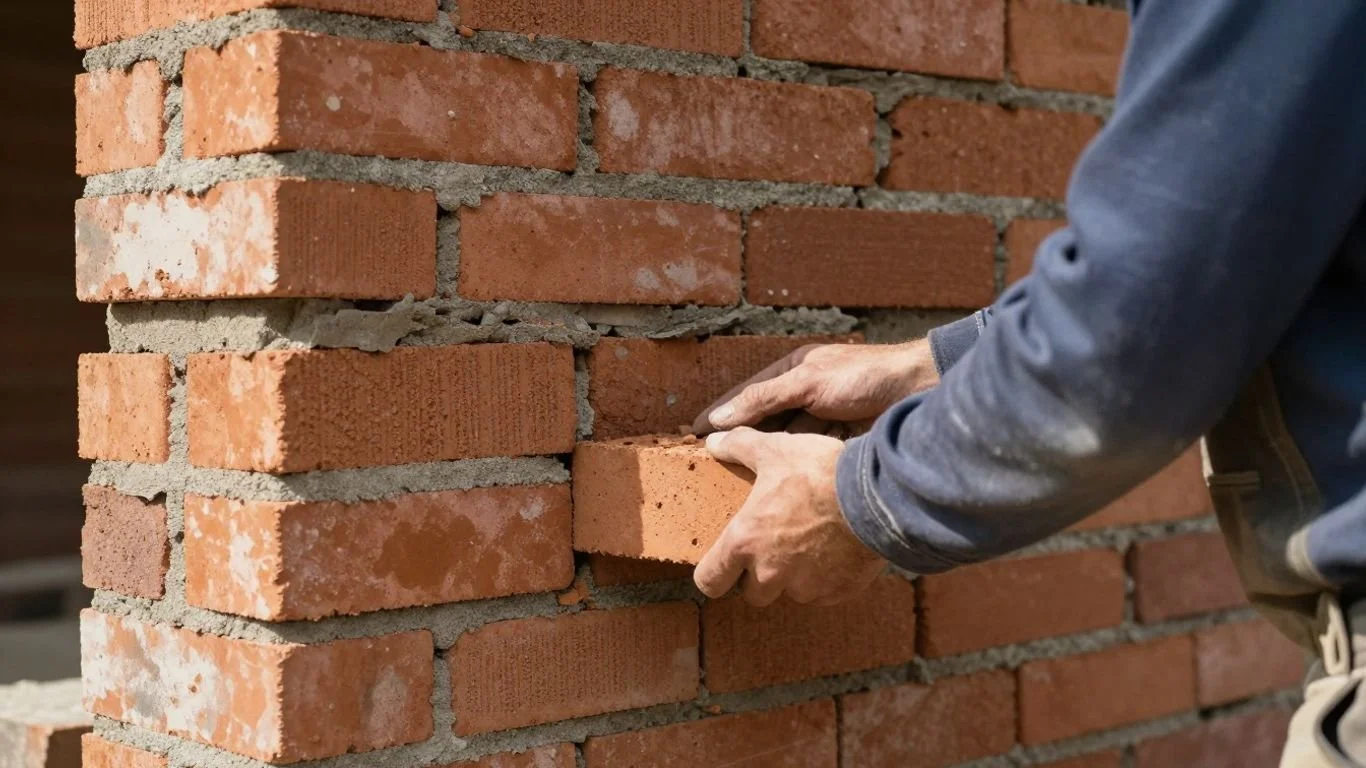
Repointing is usually less expensive than replacing large sections of brick.
Freeze-thaw cycles and moisture can worsen small masonry defects in Minnesota.
Matching the existing brick and mortar affects both appearance and labor time.
Written quotes should explain the repair method, materials, preparation, and cleanup.
Comparing qualified local contractors can help clarify the fairest value, not just the lowest price.
Understanding the Factors Influencing Brick Wall Repair Costs
The cost to fix a brick wall can range from a modest maintenance project to a substantial restoration job. A few isolated mortar joints may be straightforward, while movement, water intrusion, or widespread cracking can require investigation and more involved work. In Minnesota, seasonal freezing and thawing can make small defects more urgent than they first appear.
The wall’s height, accessibility, age, brick style, and previous repairs also influence the estimate. A ground-level garden wall is generally easier to reach than a multi-story façade, and a close match for older brick may take additional sourcing. Before comparing prices, determine whether the work is limited to the surface or connected to a deeper drainage or structural concern.
Common Types of Brick Wall Damage and Their Repair Costs
Brick walls commonly develop deteriorated mortar joints, cracked or spalled bricks, stair-step cracks, leaning sections, and moisture-related staining. Repointing damaged joints may often fall around $8 to $20 per square foot, while replacing individual bricks may cost roughly $15 to $40 each after preparation and cleanup. Larger repairs involving movement or partial rebuilding can move into the thousands.
Cracks deserve careful attention because their pattern matters. A thin, isolated crack may need localized repair, but widening diagonal cracks or displacement can point to settlement or structural movement. Early professional assessment can limit repair scope when the underlying cause is addressed before more masonry fails.
The following factors often have the greatest effect on a contractor’s price:
The total square footage and depth of deteriorated masonry.
Wall height, scaffolding needs, and access for equipment.
Whether matching brick must be specially sourced.
The extent of water damage, movement, or hidden deterioration.
These conditions explain why a simple price per brick is rarely enough to predict the final bill. A careful quote should separate visible repair work from any recommended investigation or rebuilding.
Material Costs: Bricks, Mortar, and More
Materials are only one part of the budget, but they can affect both the appearance and durability of the finished wall. Standard replacement brick may be relatively affordable, while reclaimed, handmade, oversized, or discontinued brick can cost considerably more. Mortar selection matters as well, since a mix that is too hard for older brick may contribute to future damage.
For a rough planning comparison, common repair components may look like this:
| Repair component | Typical planning range | What can change the price |
|---|---|---|
| Replacement brick | $1–$15 each | Age, style, color, and availability |
| Mortar and repointing materials | $2–$8 per square foot | Joint depth and mortar compatibility |
| Masonry sealant | $0.50–$3 per square foot | Product type and surface preparation |
| Access, protection, and cleanup | $200–$1,500+ | Height, landscaping, and site conditions |
These figures are broad budgeting aids rather than firm bids. Labor, disposal, weather delays, and the need to remove failed material can matter more than the raw cost of brick or mortar. Homeowners planning Block and Brick Installation in MN should also ask whether a new installation will visually and technically connect with existing masonry; however, the example link is not an approved internal page, so local contractors should provide the relevant project guidance.
Average Costs for Specific Brick Wall Repairs in Minnesota
Minnesota repair pricing varies by region, season, access, and the condition of the wall. The ranges below are useful for early budgeting, but they should not replace an on-site inspection. A contractor may find that the visible damage is smaller—or more extensive—than it appears from the ground.
Cost of Repointing Brick Walls
Repointing, sometimes called tuckpointing in everyday conversation, involves removing failed mortar from joints and installing compatible new mortar. A common planning range is about $8 to $20 per square foot, though intricate brickwork, deep joint removal, difficult access, and extensive cleaning can raise the cost. Small projects may also have a minimum service charge.
The estimate should state how deeply the old mortar will be removed and whether damaged bricks will be replaced at the same time. Cosmetic smearing over weak joints is not the same as removing deteriorated material and properly filling the joint. Good repointing also requires attention to color, tooling, curing conditions, and protection from weather.
Cost of Replacing Damaged Bricks
Replacing a few loose, cracked, or spalled bricks may cost approximately $15 to $40 per brick, including removal and installation, although matching unusual units can change that range. If many bricks have failed or a section must be dismantled and rebuilt, the project is usually priced by area and labor rather than by individual brick.
A sound replacement should match more than color. Size, texture, absorption, and laying pattern all affect how the repair blends with the original wall. Ask whether the contractor will test a sample area first, especially when the existing masonry has weathered over many years.
Cost of Repairing Cracks in Brick Walls
Localized crack repair may cost a few hundred dollars, while larger or recurring cracks can lead to a project costing $1,000 to several thousand dollars. The main question is why the crack formed. Settlement, freeze-thaw pressure, water entry, failing lintels, and wall movement require different responses.
A quote should identify whether the work includes crack monitoring, removal and replacement of surrounding masonry, reinforcement, or repairs to adjacent concrete and drainage. Filling a crack without addressing movement may produce a short-lived improvement. When the crack is wide, displaced, or rapidly changing, seek an evaluation before scheduling cosmetic repairs.
Cost of Waterproofing and Sealing Brick Walls
Brick sealing and waterproofing commonly range from about $1 to $5 per square foot, depending on preparation, wall condition, product, and access. Cleaning, drying, mortar repair, and removal of failed coatings can add to the cost. Not every brick wall should be sealed, particularly if the selected product restricts the way moisture leaves the masonry.
A contractor should explain where water is entering and how the proposed treatment will affect vapor movement. Sealant may help with suitable exposed surfaces, but it will not correct defective flashing, overflowing gutters, open joints, or structural cracks. The best solution may combine drainage improvements with masonry repairs rather than relying on a coating alone.
Finding and Hiring Quality Masonry Repair Services in Minnesota
Choosing among Masonry Repair Services Minnesota providers is easier when you compare methods, experience, and communication rather than only the bottom-line number. Look for a contractor who can explain the cause of the damage, identify compatible materials, and show how the repair will be protected during Minnesota weather. References and recent project photos can help, but a clear scope of work matters just as much.
For a local service example, Murphy Masonry describes experience with project management, brick, block, and veneer installations, along with a focus on clear communication and practical planning. Capital Masonry Restoration describes masonry restoration and repair in St. Paul and discusses local challenges such as freeze-thaw cycles and moisture intrusion. These descriptions can help homeowners see the kinds of experience and climate awareness to ask about during their own consultations.
Before signing, ask the contractor to identify preparation, mortar removal, replacement materials, access equipment, cleanup, and warranty terms. ACME describes tuckpointing and masonry restoration work and notes a history of preserving, maintaining, and restoring structures. A written proposal should still be tailored to your property, with no assumption that a general service description guarantees a particular result.
Tips for Getting Accurate Repair Quotes
The more useful information you provide at the start, the less guesswork goes into a quote. Take clear photos from several distances, note when the damage appeared, and mention leaks, recent construction, settling, or areas that worsen after winter. If possible, request an on-site inspection rather than relying solely on photographs.
Ask each contractor to address the same core items so the proposals can be compared fairly:
The location and measured extent of the damaged masonry.
The proposed repair method and compatible materials.
Preparation, access, protection, disposal, and cleanup.
Estimated schedule, payment terms, and warranty coverage.
Once the quotes arrive, read the exclusions as carefully as the included work. A low bid may omit scaffolding, brick matching, painting, water management, or repairs discovered after demolition. A higher bid may be justified if it includes deeper preparation and a more complete solution, but the contractor should be able to explain the difference in plain language.
Conclusion
Fixing a brick wall can cost a few hundred dollars for localized maintenance or several thousand for extensive cracking, rebuilding, or water-related damage. The most reliable budget comes from an inspection, compatible materials, and a written scope that explains both the visible repair and its likely cause. Comparing qualified Minnesota contractors on those details will help you choose work that protects the wall instead of merely making the damage less noticeable.
Frequently Asked Questions
How much does it usually cost to fix a brick wall?
Small repairs may cost a few hundred dollars, while repointing, rebuilding, or structural work can cost several thousand. Wall size, access, materials, and the underlying cause determine the final price.
Is repointing cheaper than replacing bricks?
Usually, yes. Repointing targets deteriorated mortar joints, while brick replacement includes removing damaged units, fitting new ones, and matching the surrounding masonry.
What is the difference between repointing and tuckpointing?
Repointing generally means removing failed mortar and replacing it with new mortar. Tuckpointing is often used broadly for similar work, though technically it can refer to creating neat contrasting lines in mortar joints.
Should cracked bricks be repaired or replaced?
Individual cracked or badly spalled bricks are often replaced, while minor surface damage may be repairable. The decision depends on the brick’s condition, the crack pattern, and whether movement or moisture caused the problem.
Can brick walls be repaired during a Minnesota winter?
Some work may be possible in cold weather with proper protection and temperature control, but mortar repairs generally need suitable curing conditions. Contractors may recommend scheduling work during a milder, drier period.
Does waterproofing prevent all brick wall damage?
No. Waterproofing may reduce water entry on suitable surfaces, but it cannot correct movement, defective flashing, failing joints, or drainage problems. The wall should be assessed before a sealant is selected.
How many quotes should I get for masonry repair?
Two or three detailed quotes usually provide a useful comparison. Make sure each contractor is pricing the same scope, materials, preparation, access requirements, and cleanup so the numbers are meaningful.
