
Emergency Brick Wall Repair: What to Do When Your Masonry Cracks Suddenly
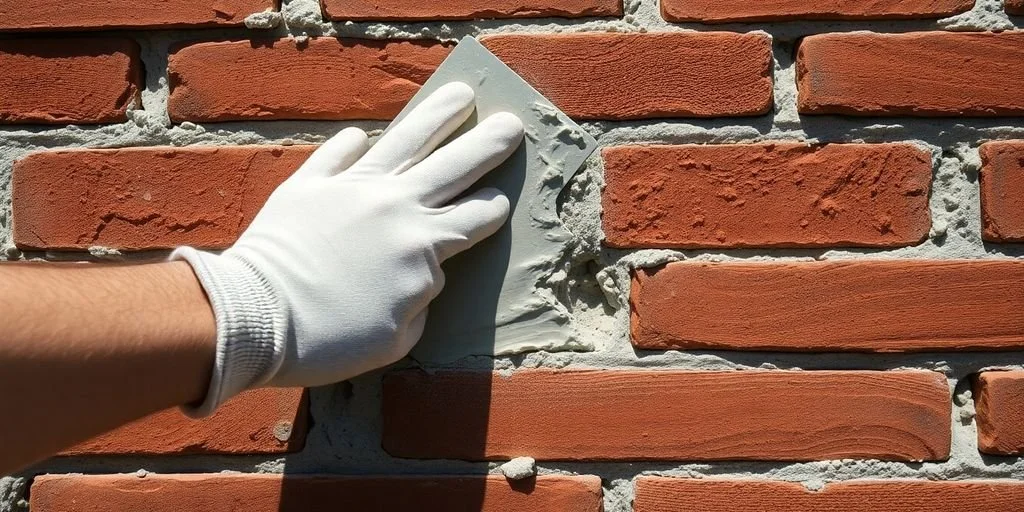
When a brick wall suddenly develops cracks, it can feel alarming—especially if the damage appears overnight. Whether it’s your home’s exterior wall, a retaining wall, or a structural column, quick action is crucial. As a Minnesota Masonry Contractor, one of the first things we advise homeowners is to understand the type of crack they are dealing with and respond appropriately. Acting fast not only prevents costly repairs but also keeps your property safe.
Understanding Why Brick Walls Crack Suddenly
Sudden masonry cracks can happen for several reasons, and knowing the root cause helps determine the right repair approach.
1. Structural Movement
Homes settle as the soil shifts beneath them. When the foundation moves too quickly or unevenly, brick walls can crack without warning.
2. Temperature Fluctuations
Minnesota experiences extreme freeze–thaw cycles. Moisture inside the brick expands when frozen, causing the wall to crack or spall.
3. Water Penetration
If water infiltrates through deteriorated mortar joints, it weakens the wall from within. Eventually, cracks show up suddenly on the surface.
4. Poor Previous Workmanship
Low-quality masonry repair or improper brick replacement by inexperienced workers can result in sudden wall failure.
Types of Brick Wall Cracks You Should Never Ignore
Not all cracks mean the same thing. Some are cosmetic, while others pose serious safety concerns.
1. Horizontal Cracks
Horizontal cracks often indicate structural pressure or foundation movement. These require immediate professional attention.
2. Stair-Step Cracks
These cracks appear along mortar joints in a zig-zag pattern, commonly seen in walls under stress from shifting soil.
3. Vertical Cracks
Many vertical cracks are non-structural, but if they widen quickly, they may signal foundation settlement.
4. Bulging or Bowing Brick Walls
This is an emergency situation. Bulging walls can collapse if left unaddressed.
Immediate Steps to Take When Your Brick Wall Cracks
1. Don’t Ignore the Damage
Small cracks can become major hazards if neglected. The earlier you act, the less expensive the repair.
2. Inspect the Area Safely
Check around the crack for:
Loose bricks
Bowing sections
Water seepage
Rapid widening
If the wall appears unstable, move people away from the area.
3. Document the Damage
Take clear pictures from multiple angles. This helps masons diagnose the issue and provides useful records for insurance claims.
4. Avoid DIY Fixes
Applying store-bought mortar or sealant may worsen the damage. Masonry requires precision; improper repair traps moisture and leads to long-term problems.
5. Contact a Professional Mason Immediately
Experts can determine whether the issue is cosmetic or structural. They will inspect, stabilize, and repair the wall correctly.
Professional Repair Techniques for Emergency Brick Wall Damage
Experienced masons use different methods depending on the severity of the crack.
1. Crack Stitching
Steel reinforcement rods are inserted across the crack and anchored with grout. This stabilizes the wall and prevents the crack from reopening.
2. Repointing
If the mortar is damaged but bricks are intact, new mortar is applied to strengthen the joints.
3. Brick Replacement
Crumbled or broken bricks are carefully removed and replaced with matching units.
4. Wall Reinforcement
For large structural cracks, pros may install anchors, supports, or wall ties.
During major restorations, professionals also focus on Block and Brick Installation to rebuild weakened sections and restore stability.
How to Prevent Sudden Future Masonry Cracks
Prevention is always better than emergency repairs. Follow these maintenance tips:
1. Maintain Proper Drainage
Ensure gutters and downspouts direct water away from your home.
2. Seal Vulnerable Areas
Annual sealing prevents moisture from penetrating the bricks.
3. Fix Mortar Deterioration Early
If you notice crumbling mortar, schedule repointing immediately.
4. Control Vegetation Near Walls
Tree roots can impact foundations and stress masonry walls.
5. Get Annual Masonry Inspections
A professional check-up helps identify early signs of damage before they become emergencies.
Why Hiring a Professional Mason Is Essential for Emergency Repairs
Masonry repair isn’t just a cosmetic fix—it’s about maintaining the structural integrity of your home. Here’s why working with a professional is important:
They identify the real cause of cracks.
They have proper tools and materials for long-lasting repairs.
Their expertise ensures safety during the restoration.
They match brick and mortar colors for a seamless look.
They prevent future issues by reinforcing weak areas.
A trained mason not only restores the appearance of your wall but also enhances its strength and durability.
How Emergency Masonry Repairs Protect Your Property
Quick repairs help:
Avoid wall collapse
Prevent water infiltration
Maintain foundation stability
Boost property value
Preserve long-term structural health
Neglecting sudden cracks can cause moisture damage, interior wall issues, and even safety hazards.
The Role of Brick Repair in Enhancing Outdoor Living Spaces
Strong, well-maintained masonry walls contribute to beautiful and durable outdoor areas. They support landscaping features, garden structures, and Outdoor Patios and Spaces in Minnesota, making your property look appealing and stay stable throughout the seasons.
Final Thoughts
A sudden crack in your brick wall should never be ignored. Understanding the cause, knowing the warning signs, and acting immediately can save you from costly, extensive damage. Always consult a professional mason for safe and long-lasting repair solutions. With proper care and maintenance, your brick walls can remain strong, beautiful, and reliable for decades.
