
Can Water Leaks Start Through Damaged Brickwork?
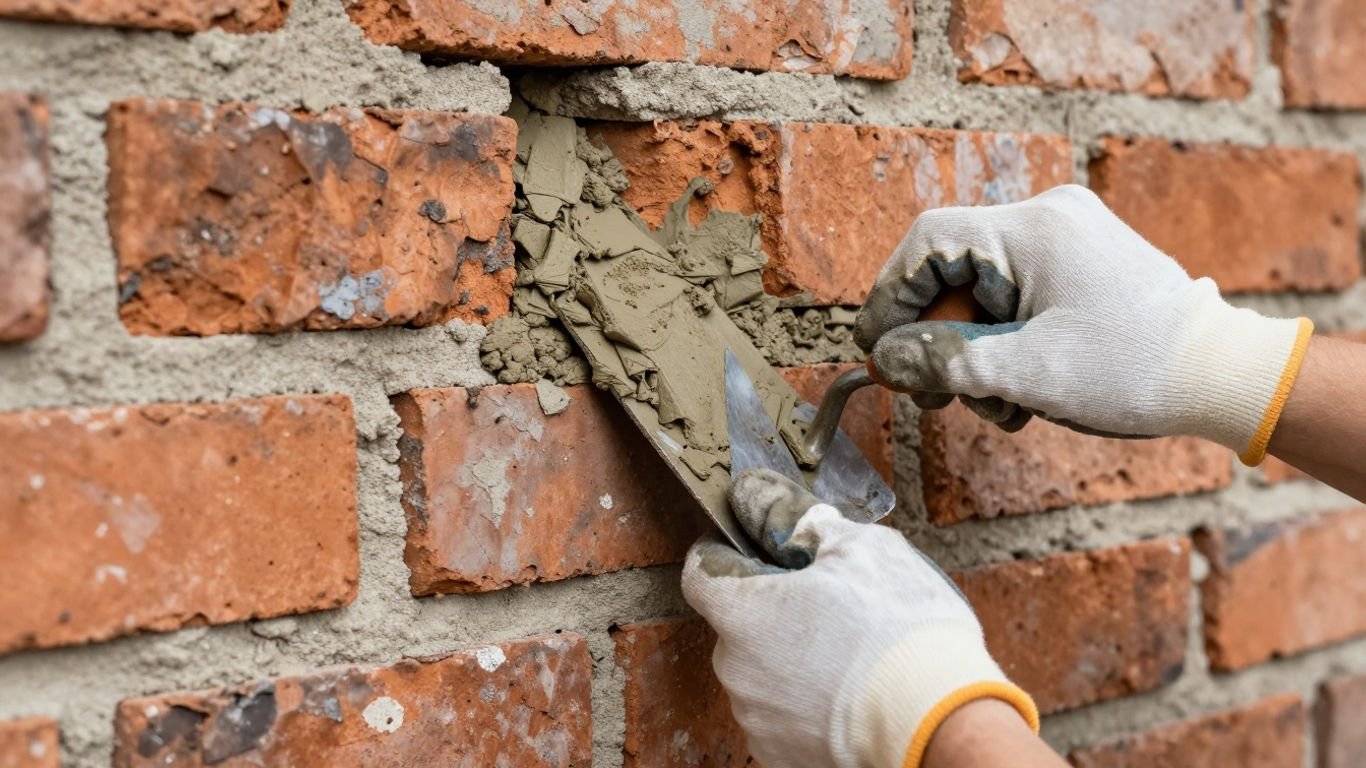
Ever noticed a weird stain or damp patch on your brick wall and wondered if water could be sneaking in? You’re not alone. Brick walls look tough, but even the best ones can let water through if they’re damaged. In Minnesota, weather can be brutal on masonry, and leaks sometimes start where you least expect them. Whether you’re dealing with an older home or planning a New Construction Project In Minnesota, understanding how water gets into brickwork—and how to stop it—can save you a lot of headaches. Let’s break down what you need to know about leaks, brickwork, and how a Minnesota Masonry Contractor can help.
Key Takeaways
Water can seep through damaged brickwork, especially if the mortar is cracked or missing.
Common causes of leaks include worn-out mortar, cracked bricks, clogged weep holes, and poor drainage.
The mortar between bricks is just as important as the bricks themselves for keeping water out.
Areas like window sills, chimneys, and the base of walls are extra vulnerable to leaks if not built or maintained right.
Regular checks and hiring a reliable Minnesota Masonry Contractor for Block And Brick Installation In Mncan prevent leaks and bigger repair bills.
Understanding Brickwork and Water Intrusion
How Water Can Enter Through Damaged Brick
So, can water leaks start through damaged brickwork? The short answer is a definite yes. Think of your brick walls not as solid, impenetrable barriers, but as complex systems with many potential entry points for water. When the brick or, more commonly, the mortar between the bricks gets compromised, water finds a way in. It's a bit like a leaky faucet; a tiny crack can lead to a significant drip over time.
Water intrusion often starts with small issues that snowball. Things like hairline cracks in the mortar joints, which are pretty common as buildings age, can let in a surprising amount of water, especially during heavy rain or snowmelt. Bricks themselves are porous, meaning they can absorb moisture. If the surface is damaged or the protective sealants wear off, they soak up water like a sponge. This absorbed water can then move through the wall, causing all sorts of problems on the inside.
Here are some common ways water gets in:
Cracked Mortar: This is probably the biggest culprit. Over time, mortar can crumble, crack, or pull away from the bricks, creating direct pathways for water.
Damaged Bricks: Spalling (where the surface of the brick flakes off) or outright cracks in the bricks themselves create openings.
Clogged Drainage: If weep holes or gutters get blocked, water can pool against the wall, increasing the pressure and the chance it will find a way in.
Failed Sealants: Any sealants or coatings applied to the brickwork can degrade over time, losing their ability to repel water.
It's important to remember that even small amounts of water entering the wall can lead to bigger issues like mold growth, freeze-thaw damage in winter, and structural weakening if left unchecked. Addressing these entry points is key to preventing serious damage.
Common Causes of Brickwork Damage
What actually causes brickwork to get damaged in the first place? It's usually a combination of factors, some natural, some from how the building is treated. The weather plays a huge role in the wear and tear of brick walls.
One of the most common issues is the freeze-thaw cycle. Water gets into tiny cracks in the mortar or bricks, freezes, expands, and then thaws. This constant expansion and contraction puts immense stress on the material, widening cracks and weakening the structure over time. This is especially problematic in places like Minnesota where winters can be harsh.
Another big factor is poor maintenance. If gutters aren't cleaned, they can overflow, constantly drenching the lower parts of the brick wall. Landscaping that directs water towards the foundation, or even just the natural settling of a building, can put stress on the walls and cause cracks to appear. Sometimes, it's just the age of the building; mortar naturally degrades over decades, becoming more susceptible to water intrusion.
Here's a quick rundown of common damage causes:
Weathering: Freeze-thaw cycles, wind-driven rain, and UV exposure all contribute to wear.
Poor Drainage: Blocked gutters, downspouts, or improper grading around the foundation.
Structural Movement: Building settlement, vibrations, or impact damage.
Age and Neglect: Deterioration of mortar over many years without repair.
Improper Repairs: Using the wrong materials or techniques when fixing previous damage can sometimes create new problems.
The Role of Mortar in Brick Walls
When you look at a brick wall, it’s easy to just see the bricks themselves. But honestly, the mortar in between is doing a ton of the heavy lifting, especially when it comes to keeping water out. Think of mortar as the glue holding everything together, but it’s also the first line of defense against rain and moisture.
Mortar joints are designed to be a bit more permeable than the bricks themselves, allowing moisture vapor to escape. This is a good thing, usually. It means that any dampness that gets into the wall can dry out. However, when that mortar starts to break down, it creates little pathways for water to get in where it shouldn't. We're talking about cracks, crumbling bits, or just general erosion of the mortar. This is where water can really start to seep through.
Here’s a quick look at what happens when mortar fails:
Cracking: Freeze-thaw cycles can cause water trapped in the mortar to expand, leading to cracks.
Erosion: Wind-driven rain and general weathering can wear away at the mortar over time.
Softening: Some types of mortar can become soft and crumbly when constantly exposed to moisture, losing their ability to hold the bricks securely.
If you notice your mortar is looking a bit sad – maybe it’s powdery, has holes, or is just falling out – it’s a sign that water might be getting in. This is why regular inspections are so important. Addressing deteriorating mortar, often through a process called repointing, is key to maintaining the wall's integrity and preventing bigger water problems down the line. It’s not just about looks; it’s about keeping your home dry and sound.
Beyond the Bricks: Other Vulnerable Areas
While damaged bricks and crumbling mortar are obvious culprits for water intrusion, leaks can sneak in through other parts of your home's exterior too. It's not just about the bricks themselves; think about all the places where different materials meet or where openings are made for function.
One common issue is with flashing. This is the metal or plastic material installed around windows, doors, chimneys, and where the roof meets the wall. Its job is to direct water away. If it's damaged, improperly installed, or just old and corroded, water can get behind it and seep into the wall structure. You might see stains around window frames or near the chimney base if this is happening.
Then there are the weep holes. These small openings are intentionally built into brick walls, usually at the base of the wall or above windows and doors. They're designed to let any moisture that gets trapped behind the brickwork escape. If these get clogged with dirt, paint, or debris, that trapped water has nowhere to go and can start causing problems. It's like a tiny drainage system that needs to stay clear.
Don't forget about the connection points. Where your brick wall meets a roofline, a porch, or even a concrete slab, there are opportunities for water to find a way in if the seal isn't perfect. Over time, sealants can break down, or settling can create small gaps.
Even with solid brick walls, water can find its way in through less obvious places. Paying attention to flashing, weep holes, and transition points where different building materials meet is just as important as inspecting the bricks and mortar themselves. These areas often get overlooked but are critical for keeping your home dry.
Finally, consider how water behaves around your foundation. If your gutters are overflowing or your downspouts aren't directing water far enough away from the house, that water can pool near the base of your brick walls. This constant moisture at the foundation level can eventually work its way into the brick and mortar, even if the bricks themselves look fine. Making sure your drainage system is working correctly is a big part of preventing water damage from the ground up.
Preventing Water Leaks in Your Minnesota Masonry
Dealing with water leaks in your brickwork can be a real headache, especially here in Minnesota with our freeze-thaw cycles. But don't worry, there are definitely ways to keep your home dry and your masonry looking good. It really comes down to being proactive and keeping an eye on things.
Regular Inspections and Maintenance
Think of regular check-ups for your brick walls like going to the doctor. You want to catch any little issues before they turn into big problems. It’s a good idea to walk around your house at least twice a year, maybe once in the spring after the snow melts and again in the fall before winter really sets in. Look closely at the mortar between the bricks. See any cracks or crumbling bits? Those are like little open doors for water. Also, check around windows, doors, and where the roof meets the wall – these spots are often trouble areas. Don't forget to look at your gutters and downspouts too. If they're clogged with leaves or debris, water can back up and spill right down your walls. Keeping them clear is a simple but super effective step.
Inspect mortar joints for cracks and crumbling.
Check areas around windows, doors, and rooflines.
Clear gutters and downspouts regularly.
Look for signs of dampness, like stains or mold.
Addressing small issues like hairline cracks in mortar or a slightly loose brick right away can save you a ton of money and hassle down the road. It's all about staying ahead of the game.
Choosing a Reputable Minnesota Masonry Contractor for New Construction Projects
If you're building a new home or adding on, picking the right Minnesota Masonry Contractor is a big deal. You want someone who knows their stuff, especially when it comes to building in our climate. A good contractor will use the right materials and techniques to make sure your brickwork is solid from the start. This includes proper flashing installation, which is key for directing water away from vulnerable areas like around windows and doors. They should also be thinking about drainage around the foundation. Making sure the ground slopes away from your house is a simple but important detail that many overlook. A well-built wall with good drainage is your first line of defense against future leaks. Don't be afraid to ask potential contractors about their experience with Minnesota weather and their methods for preventing water intrusion. Getting it right during construction makes all the difference. You can find experienced professionals who understand the importance of proper chimney construction for Minnesota homes.
So, Can Water Leaks Start Through Damaged Brickwork?
Yeah, absolutely. It turns out that even tough old brick can get worn down over time. Things like bad weather, old mortar crumbling, or even just a good whack can open up tiny little paths for water to sneak in. We've seen how cracks in the mortar, damaged flashing around windows, or even just a clogged-up weep hole can let moisture do its thing. Ignoring these little problems can lead to bigger headaches down the road, like mold or even structural issues. So, if you're spotting weird stains, damp spots, or maybe a musty smell near your walls, it's probably a good idea to get it checked out. Catching it early is way easier and cheaper than dealing with a major repair later on.
