
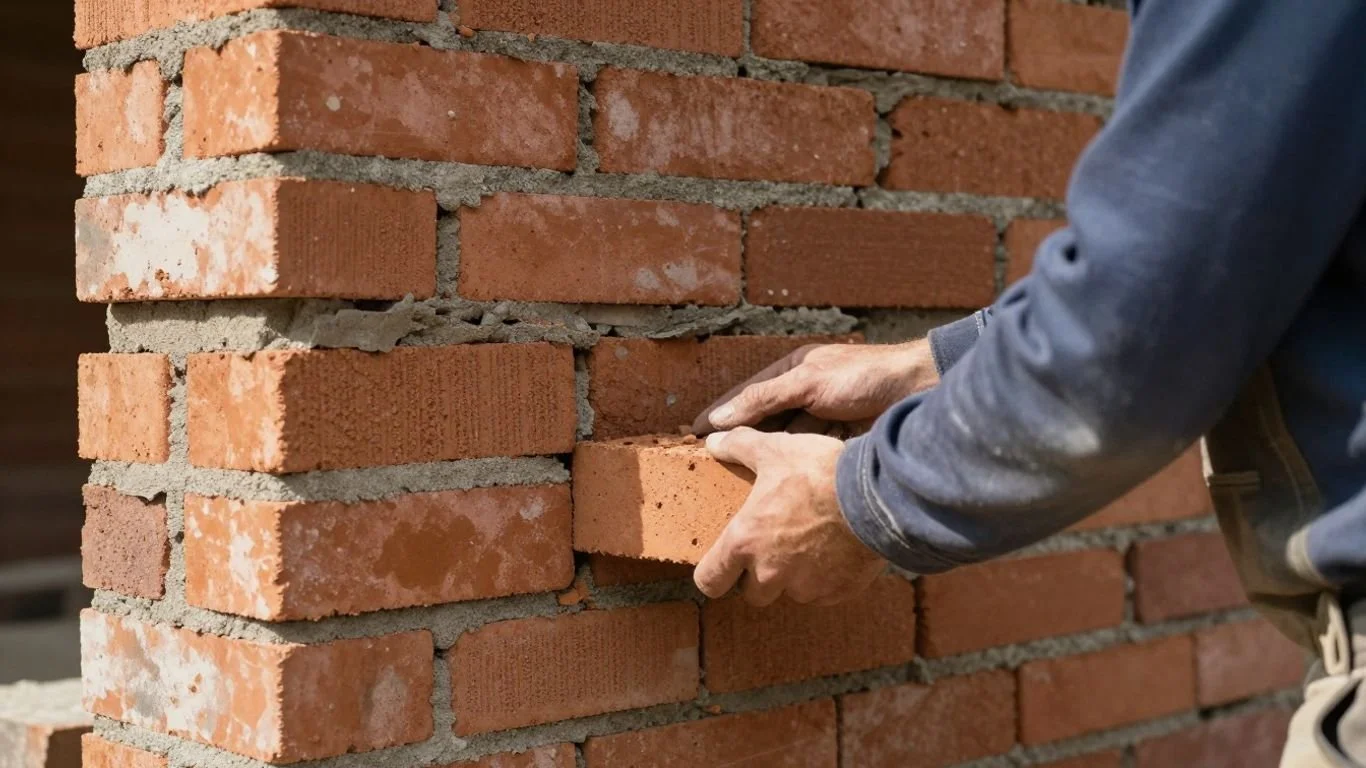
Loose or uneven brick steps can point to surface wear, movement below the steps, or water-related damage. The pattern and extent of movement help determine what to do next.
Treat loose bricks, open joints, and shifting treads as signs that deserve attention.
Keep off steps that move, feel unstable, or create a fall risk.
Look for water and drainage issues as well as visible masonry damage.
Choose repair or rebuilding based on the condition of the steps and what supports them.
Monitor small changes and arrange professional help when damage is growing or unsafe.
Signs your brick front steps need attention
Brick steps rarely become hazardous all at once. A loose brick, a widening joint, or a tread that no longer sits level can be an early clue that something has changed. Block and Brick Installation in Minnesota can help ensure that brick steps are properly installed and remain stable over time. Look at the steps as a whole, including the joints and the point where they meet the house. .
How to spot loose bricks, shifting treads, and open joints
A brick that rocks slightly, sits higher than its neighbors, or has a gap around its edges may no longer be well supported. Open mortar joints can appear as thin lines at first, then widen or lose material over time. Treads that slope, dip, or seem to have shifted forward deserve a closer look, especially if the change is new.
What gaps between the steps and house may indicate
A gap where the steps meet the house can result from movement in the steps, movement in the adjoining structure, or a joint that has deteriorated. The gap alone does not identify the cause. Note whether it is even along the wall or noticeably wider in one spot, and whether it has changed since you last looked.
When cracks or uneven surfaces create a safety concern
A small crack in mortar may be a maintenance issue, while a loose tread or raised edge can catch a foot. Be especially cautious when a crack crosses several bricks or the walking surface is visibly uneven. A changing, unstable tread deserves more urgency than a cosmetic mark that has stayed the same.
Why brick steps shift or separate
Steps may separate from a house for several reasons, and more than one can be at work. The visible brickwork is only part of the picture: what lies beneath it, how water drains nearby, and how the steps meet the house all matter. In Minnesota, seasonal temperature swings can make existing weaknesses easier to notice.
Settlement and soil movement beneath the steps
If the ground or base beneath the steps settles unevenly, some parts may drop while others stay in place. That movement can show up as sloping treads, cracked joints, or a gap at the house. A surface crack does not prove that settlement is happening, but a pattern of uneven movement is a reason to investigate the support below.
Failing mortar, missing flashing, or weak connections to the house
Mortar that is crumbling or missing leaves joints less protected and can make individual bricks vulnerable to movement. Where steps meet a house, the construction details and condition of the joint also matter; damaged or absent flashing may allow water into places it should not reach. A visible gap is a reason to have the connection assessed, not a reliable way to determine which detail has failed.
How age and previous repairs can contribute to movement
Older steps may have weathered joints, accumulated patch repairs, or materials that no longer perform well together. A patch can hide a crack for a time without resolving movement below it. Look at whether repairs are localized and stable, or whether cracks and open joints have returned nearby.
How to assess the damage safely
A careful visual check can help you describe the problem, but it cannot establish whether the steps are structurally sound. Do not test the steps by jumping, rocking loose bricks, or carrying a heavy load over them. Start from a safe position and record what you can see without disturbing the masonry.
Check for movement without putting weight on unstable steps
If the steps look unstable, observe them from the ground or another safe location instead of walking across them to test for movement. Avoid pushing or pulling at loose bricks, since that may worsen the damage or cause a piece to shift. When the surface appears sound enough to approach, keep the inspection brief and do not use a loose tread as a handhold.
Note where cracks, gaps, and water stains appear
A few clear notes are more useful than trying to diagnose the cause yourself. Record the location of each crack or gap and whether it is in a tread, riser, side wall, or house connection. These details make it easier to compare the same areas later and explain the pattern to a professional.
Look for changes after rain or freezing weather
Check the steps from a safe vantage point after a heavy rain and again when conditions allow following a freeze. You can use a simple record to keep observations consistent:
Photograph the same areas from a similar angle.
Note standing water, damp joints, or soil washout near the base.
Record new cracks or changes in the width of existing gaps.
Write down when you first noticed a shift or change.
Comparing observations over time can reveal whether a problem seems stable or is progressing. Avoid climbing onto the steps to take a closer photo if you suspect that a tread is loose.
When to keep people off the steps and call a professional
Keep people off the steps if bricks shift, a tread rocks, the walking surface has a pronounced change in height, or there is a risk of a piece falling. Use another entrance if one is available, and make the unsafe area clear to household members and visitors. If there is no safe route around the steps or the condition changes suddenly, arrange professional help promptly.
Repair or rebuild: choosing the right approach
The right repair depends on whether the trouble is limited to the mortar and a few bricks or reflects wider movement. A neat-looking surface is not enough to show that the steps are stable. The condition of the base and the way water reaches the area should inform the decision as much as the visible damage.
When repointing or replacing a few bricks may be enough
If the steps remain level and stable, and damage is limited to a few deteriorated joints or individual bricks, localized repair may be appropriate. Repointing replaces deteriorated mortar in the joints; replacing a brick can address a damaged unit. A professional should still check that the surrounding masonry is sound and that the repair materials suit the existing work.
Signs the steps need to be taken apart and rebuilt
Widespread movement, multiple loose treads, recurring separation from the house, or a base that has shifted can point toward a more extensive repair. A rebuild may be considered when the steps cannot be made stable by addressing isolated bricks and joints. The extent of the work should follow an inspection, rather than being decided by appearance alone.
Why surface patching may not address settlement
A surface patch can cover a crack while the support below continues to move. If the steps keep changing level or the same crack returns, the underlying cause may remain unresolved. Murphy Masonry lists brick restoration and repair among its services; for any masonry repair, it is useful to ask what the proposed work addresses beyond the visible surface.
How drainage and the underlying base affect the decision
A repair that ignores water flow or unstable ground may not last as intended. The professional assessment should consider both how the steps are supported and where runoff travels around them. Clarifying those conditions helps explain whether localized masonry work is reasonable or a larger rebuild is needed.
What professional brick step repair involves
A professional repair begins with understanding how the steps are built and what has changed. The inspection should take in the masonry, its support, and the adjoining area rather than focusing only on the most visible crack. From there, the repair scope can address the cause as well as the damaged brickwork.
Inspecting the steps, foundation, and connection to the house
An assessment can include checking for loose bricks, failing joints, uneven treads, and separation where the steps meet the house. The person inspecting should also consider the condition of the supporting base and any signs of water entry or movement nearby. Ask what observations led to the recommended scope and whether any concealed conditions may change the work.
Addressing water management and unstable ground
Where water or shifting ground appears to contribute to the damage, those conditions need attention alongside the masonry. A repair plan might include correcting the path of runoff or addressing unstable support, depending on what the inspection finds. Ask how the proposed work will reduce the chance of the same movement recurring.
Rebuilding with compatible brick and mortar
If rebuilding is needed, the replacement brick and mortar should be selected with the existing construction in mind. A professional can explain how the materials and joint appearance will relate to the original steps, as well as what portions will be reused or replaced. The scope should make clear how the work will restore a safe, even walking surface.
How Murphy Masonry can evaluate repair options in Minnesota
A useful evaluation explains the visible damage, the likely contributing conditions, and why a particular repair is being proposed. Published information for Murphy Masonry lists brick and block work, including brick restoration and repair. When discussing a project, ask whether the inspection and written scope address the specific movement, drainage, and support conditions at your steps.
Keeping brick front steps stable over time
Routine attention will not prevent every problem, but it can help catch changes before they become harder to manage. The most useful habits are simple: keep water moving away from the steps, look over the joints occasionally, and pay attention to new changes. A quick check after significant weather can be especially worthwhile.
Directing downspouts and runoff away from the steps
Look at where downspouts discharge and where surface water flows during rain. Water that repeatedly pools beside the steps or washes soil away from the base may be contributing to trouble. Adjusting the route of runoff, where appropriate, can reduce prolonged wetting near the masonry.
Sealing nearby gaps and maintaining mortar joints
Keep an eye on joints and nearby gaps, but do not fill every opening with an arbitrary sealant. Masonry joints and the connection to a house serve different purposes, and an incompatible patch can make future repairs more difficult. Ask a masonry professional what repair is suitable for the particular joint and materials.
Watching for seasonal movement and new cracks
Compare the steps from season to season, especially after periods of freezing weather or heavy rain. A dated photo can help distinguish a longstanding mark from a crack that is widening. If treads begin to shift or a gap grows, have the change assessed rather than waiting for the next routine inspection.
Scheduling repairs before small problems become safety hazards
A minor open joint may be easier to address than a loose tread or widespread movement, but only if it is properly assessed. Arrange attention when you notice deterioration returning or damage spreading beyond one small area. Prompt planning also gives you time to choose a repair scope without relying on a quick surface patch.
Choosing a Minnesota masonry contractor
A contractor should be able to explain what they observed and how it shaped the repair recommendation. Ask direct questions about movement, water, and support, not just the appearance of the finished brickwork. A clear written scope makes it easier to understand what the work includes and what it does not.
Ask how the contractor diagnoses movement and settlement
Ask how the contractor distinguishes a loose brick or failing mortar from movement in the base. They should be able to describe what they inspected and where uncertainty remains. If the symptoms point to more than one possible cause, the proposed next step should be explained in plain language.
Confirm the repair plan addresses drainage and the underlying base
Check whether the scope considers runoff, soil conditions, and support beneath the steps where relevant. A plan limited to filling visible cracks may not address the reason they formed. Ask how the contractor will handle any contributing water or base issues found during the assessment.
Review experience with brick masonry and fireplace work in Minnesota
Look for experience relevant to the actual work, and ask for a clear description of the services offered. The service information for Murphy Masonry includes brick, block, and veneer installation, as well as chimney repair and fireplace work. A contractor's experience with masonry is useful context, but the repair plan should still explain the conditions specific to your steps.
Compare written scopes, materials, and workmanship warranties
Before agreeing to work, compare the written scope, materials, schedule, and any workmanship warranty. Confirm whether the price includes addressing drainage or unstable support if those issues are identified. The search phrase “Murphy Masonry, Brick Masonry Fireplace Minnesota” may bring up broad local masonry information; for your project, focus on the details of the proposed step repair.
Conclusion
Loose, uneven, or separating brick steps are worth addressing before they become a fall hazard. Look for patterns, keep people off unstable areas, and consider both water and the support beneath the masonry when discussing repairs. A careful inspection can help distinguish a localized fix from a repair that needs a broader approach.
Frequently Asked Questions
Can I use brick steps if one brick is loose?
A loose brick can shift underfoot, so avoid using that part of the steps until it has been assessed or repaired. If the tread itself moves or the area feels unstable, keep off the steps and use another entrance if possible.
What causes brick steps to pull away from a house?
Possible causes include movement in the ground or base, water-related damage, deteriorated joints, or a change in the connection between the steps and house. The visible gap alone does not identify which cause applies.
Are small cracks in brick step mortar serious?
Some small cracks reflect localized mortar wear, but cracks that widen, return after patching, or appear alongside uneven treads deserve closer attention. The pattern and any change over time matter.
Should I seal the gap between my steps and the house?
Not without understanding what the gap is and why it formed. The appropriate treatment depends on the construction and materials, so a masonry professional can advise whether repair or sealing is suitable.
Can I repair brick steps myself?
Minor maintenance may seem straightforward, but work on loose or uneven steps can create a safety risk, and surface repairs may not address movement below. If bricks shift or the steps are separating, have the condition assessed before attempting a repair.
When should brick front steps be rebuilt instead of repaired?
Rebuilding may be considered when movement is widespread, several treads are loose, or the supporting base has shifted. An inspection helps determine whether localized repairs can restore stability or a more extensive approach is needed.
How can I prevent water from damaging brick steps?
Keep downspout discharge and surface runoff from collecting beside the steps, and watch for damp joints, standing water, or soil washout. If water repeatedly reaches the area, address the drainage pattern as part of maintenance or repair.
