
A Complete Guide to Masonry Construction
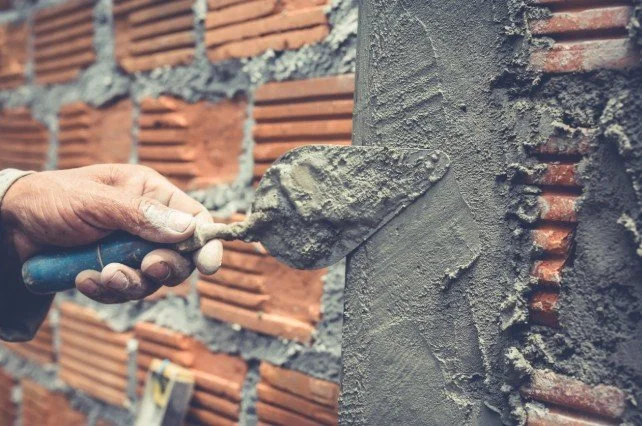
The masonry has been one of the surest and tested modes of construction that have been utilized worldwide. Masonry is the best in durability, beauty and strength of structure since ancient monuments up to the present day homes. You may have a residential construction to undertake or a commercial building to construct or you may be just pursuing knowledge on how to build on masonry, you can make informed choices.
We have included all the information you need to know about masonry construction in this totally comprehensive guide including materials, techniques, plus advantages and maintenance suggestions.
What does it mean by Masonry Construction?
Masonry construction is defined as the construction of structures with the use of separate units like bricks, stones or concrete blocks which are usually cemented with mortar. These materials are organized into certain designs to form strong and durable structures.
It is a common approach in residential and commercial construction as it has a high level of durability, fire resistance, and low maintenance needs.
Classes of Masonry Materials.
1. Brick Masonry
Among the most widely used materials in masonry construction, there is brick. It is very strong, thermal insulated, and with a vintage look. Bricks are convenient and relatively cheap, which is why they have become a common material in houses and constructions.
2. Stone Masonry
Stone masonry gives it a natural and classy appearance. It is famous with its durability and weather resistance. It may be more costly and labor-intensive, but the end-term gains can usually be more than the start-up costs.
3. Concrete Block Masonry
Concrete blocks are heavier than bricks and this makes the construction process faster. They are powerful, economical, and common in construction of structural walls and foundations.
Common Masonry Techniques
1. Dry Masonry
The method is to build stones or bricks with no mortar. It is commonly applied in landscaping projects like retaining walls and garden buildings.
2. Mortared Masonry
In this technique, masonry units are attached together with mortar giving it strength and stability. It is the most widespread method of building.
3. Veneer Masonry
Veneer masonry is a construction approach which entails the arrangement of a layer of masonry material to a structural frame. It provides a simulated look of solid masonry at a lower cost and weight.
Advantages of Masonry Construction.
Durability and Strength
Masonry buildings are characterized by a long life. They endure the severe weather, fire and pests thus a good option of long term construction.
Energy Efficiency
Masonry materials possess good thermal mass that is used to control indoor temperatures. This saves on energy use in heating and cooling.
Low Maintenance
Masonry does not need much maintenance as compared to other forms of construction. It can be kept in general condition by occasional cleaning and little repairs.
Aesthetic Appeal
Masonry gives a classic and adaptable appearance. Masonry can also improve the visual appearance of any property whether you want a rustic stone or a modern design of bricks.
The role of talented masons.
It is important to hire skilled workers to do high quality masonry. The professionals such as the Murphy Masonry carry with them the expertise and accuracy and craftsmanship in all projects and thus the buildings are not only beautiful to the eye and physically looking but they are also structurally sound.
Professional masons know how to choose the material, how to use it correctly, and what local building codes will allow them to avoid future mistakes that are expensive and guarantee a long-term effect.
Applications of Masonry Construction
Masonry is applied in a very diverse variety of construction works such as:
Residential homes
Commercial buildings
Fireplaces and chimneys
Retaining walls
Walkways and driveways
Outdoor living spaces
It is also versatile and can be used as a structural or decorative element.
Masonry building maintenance tips.
Regular Inspections
Look at the cracks, loose bricks or weak mortar joints. The costly repairs can be avoided by early identification.
Cleaning
Wipe clean with light cleaning agents to get rid of dirt, mould or stain. Use no rough chemicals that may destroy the surface.
Repointing
Mortar joints can weaken with time. Repointing is used to regain the strength and appearance of the structure.
Waterproofing
Masonry can be preserved by applying a waterproof sealant that eliminates the effects of moisture and also increases its longevity.
Current Trends in Masonry Construction.
The building of masonry buildings is still developing new technologies and fashion trends. Homeowners and builders are today using sustainable materials, energy saving designs, and new construction techniques.
Among the current trends is the creation of the fashionable and useful Outdoor Patios and Spaces in Minnesota, which has been a major area of use of the masonry in the development of the durable and appealing outdoor settings. They not only increase property value, but also offer comfortable places to relax and entertain.
Masonry Project Planning.
A masonry project should be planned before beginning. Take into account such factors as:
Budget and material expenditures.
Design preferences
Climate conditions
Structural requirements
The collaboration with seasoned people will allow you to run your project effectively and to your satisfaction.
Masonry is particularly advantageous when one is doing a New Construction Project in Minnesota because it offers the strength and resilience to withstand the different weather conditions and also have long-term structural integrity.
Conclusion
Masonry construction is one of the surest and attractive construction techniques in the contemporary world. Its unparalleled durability, energy efficiency, and classical appeal make it still a popular choice in residential as well as commercial projects.
Learning about the various materials, methods and maintenance procedures will help you to make the right choice and guarantee the success of your masonry project. The masonry sounds like a very sound foundation of beauty and strength that will stand the test of time whether you are developing a new structure or improving an already existing one.
